
Thermal Garden Design: 5 Ideas to Beat Extreme Heat
Embracing thermal garden design is essential for coping with rising temperatures. This emerging trend for 2026 focuses on creating visually appealing outdoor spaces that provide relief from the heat through thoughtful design choices.
According to the Society of Garden and Landscape Designers (SGLD), numerous award-winning gardens are adopting thermal garden techniques. These strategies utilize cool stone surfaces, water features, and harmonious plant selections in shades of green, gray, and silver to craft serene and refreshing environments.
By applying thermal design principles, you can transform your garden into a cool sanctuary. Consider how to utilize shade, select appropriate materials, and choose plants that promote a calming atmosphere, revealing techniques for thriving in the hottest parts of your yard. Let's explore how you can embrace this trend to enhance your outdoor experience during the hottest days.
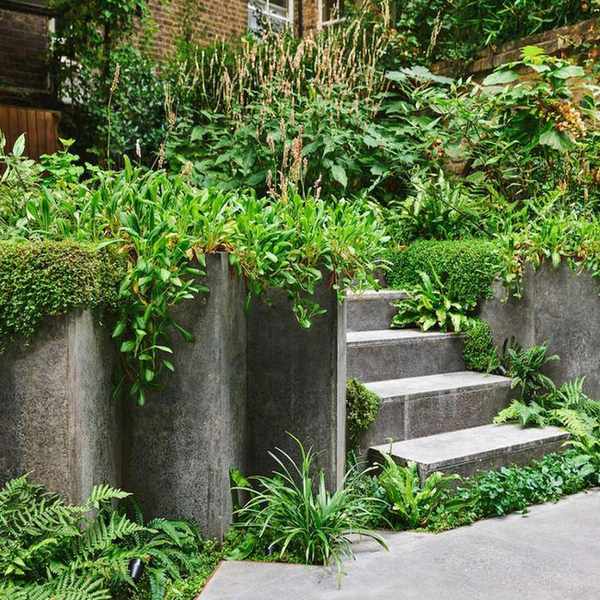
A split-level townhouse garden showcases effective cooling plant choices alongside hardscaping.
Innovative Thermal Garden Ideas for a Cooler Environment
"Thermal garden design significantly impacts the comfort of your outdoor space, making it a delightful area to enjoy," states landscape architect Clay Tully.
"If your outdoor area isn't comfortable, it'll likely go unused, regardless of your intentions."
When designing gardens in hot climates, consider various methods to implement thermal design concepts. "Opt for muted colors while emphasizing foliage, textures, and lighter materials," recommends the SGLD.
"Combine light-colored stones or pavers with soft, silver-toned plants to create inviting small patios and garden areas."

Clay Tully is a licensed landscape architect with over 20 years in the field. His firm, Clay Tully Landscape Architecture, engages in all project aspects, from design to post-construction care.
1. Select the Right Trees and Their Placement
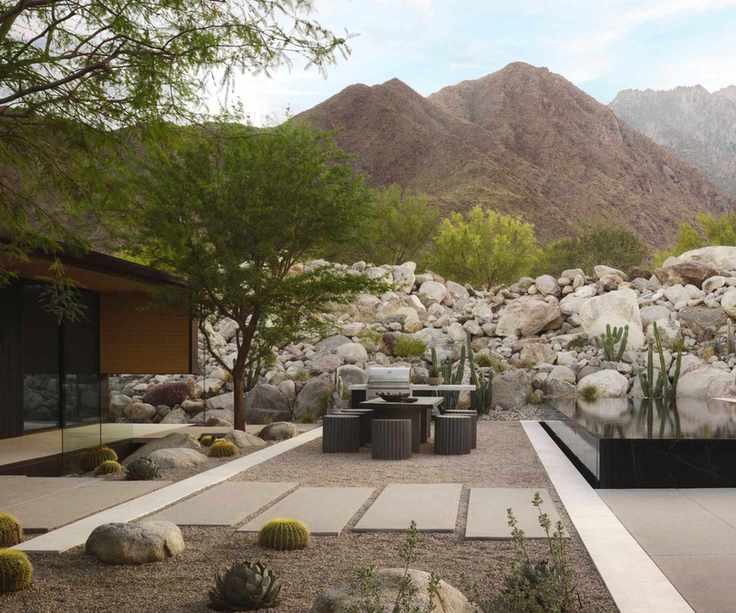
A palo verde tree provides excellent shade for this seating area.
Choosing suitable trees for a changing climate and planning their placement is crucial in thermal garden design. The right trees positioned well can offer vital cooling shade while being resilient to future conditions.
"Proper tree placement is one of the most effective ways to alter a hot site's microclimate," explains Clay Tully. "This offers immediate shade and cooling benefits while helping to define your garden space." This concept is also relevant in desert landscaping.
For dappled shade, consider trees like palo verde or desert willow available at Fast Growing Trees. For deeper shade, larger fast-growing trees like camphor, Chinese pistache, southern magnolia, or fruitless olive are recommended.
Opt for native species, which are often better adapted to local climates. Understand how climate change may affect growing conditions in your area as well.
2. Select Plants That Thrive in Hot Climates
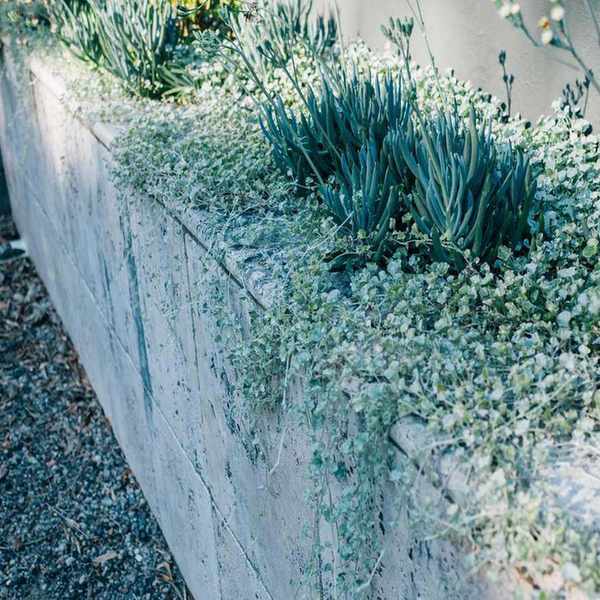
This gray planter features the cooling Blue Chalk Sticks plant.
"Increasing soft plantings while minimizing hardscaping significantly reduces the heat island effect," notes Clay.
"More greenery means less heat radiation. For hot climates, tough evergreens like Germander, Manzanita, or succulents such as Red Yucca (Hesperaloe), found at Fast Growing Trees, and Cotyledon are ideal choices.
Look for drought-resistant plants suitable for your local conditions. Foliage color is also important; select calming gray-green or silver plants with low-to-moderate water needs that fit well into thermal garden design.
Consider incorporating plants with silver foliage for a cooling visual effect. Options include lamb's ears (Stachys byzantina) and Senecio candidans 'Angel Wings'. These evergreen plants are excellent for thermal gardens and work well as ground cover.
Lastly, consider sagebrush (Artemisia tridentata), a tall perennial with silver foliage that can enhance borders.
Recommended Plants for Hot Climates
Red Yucca (Hesperaloe parviflora)
This native, drought-tolerant evergreen thrives in dry soils and suits rock gardens.
Germander Seeds (Teucrium canadense)
The dense flower spikes of this perennial herb are visually striking, especially alongside cool gray foliage.
Manzanita (Arctostaphylos) Plant Seeds
This unique plant positions its evergreen leaves perpendicular to the sun to minimize moisture loss and features tiny pink flowers.
3. Minimize Hardscaping and Use Lighter Materials
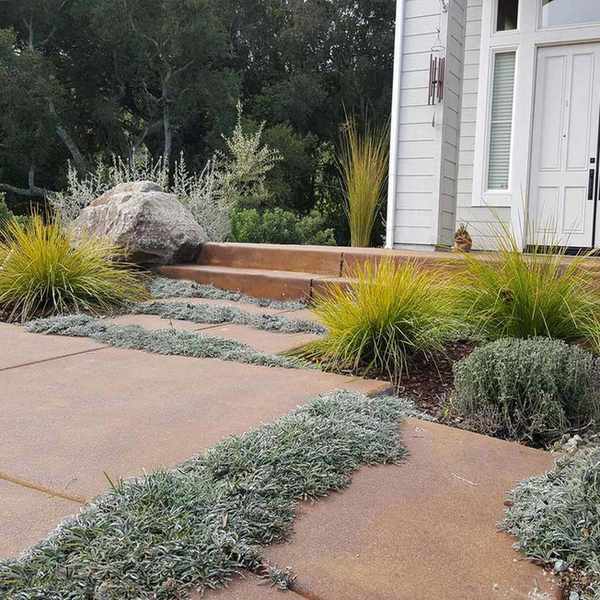
This thermal garden design by Clay Tully incorporates Dymondia to soften hardscaping.
Expansive hardscaped areas like brick or concrete can attract heat and create warm air pockets. A smaller garden can feel even hotter, so incorporating more plants is often necessary.
"Dividing large paved sections reduces heat radiation," explains Clay Tully. "Introduce ground cover plants to create green joints, using low-spreading varieties like lamb's ears 'Silver Carpet' or creeping 'Elfin Thyme'. Alternatively, substitute concrete with decomposed granite for a cooler surface that emits less heat."
Choosing light-colored natural stone and finishing hardscaping in pale tones, like these porcelain pavers from Wayfair, can also enhance cooling. Dark materials should be avoided as they retain heat.
A layered approach that combines shaded areas, light landscaping materials, and strategic planting creates an inviting environment during the hottest summer months.
4. Maximize Shade in Your Garden
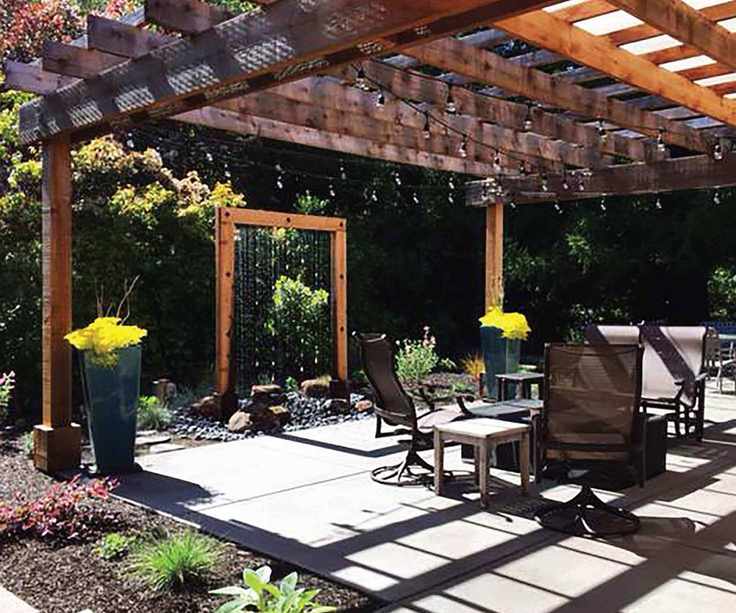
This pergola features a rain curtain water feature spilling into cobbles.
In addition to tree shade, there are various methods to create a more shaded garden, providing relief from intense summer heat.
One popular option is implementing pergolas. Select designs with features like retractable roofs and roll-down screens for extra protection from the sun.
"Whether you build a pergola or purchase a kit from brands like Mirador or Pergolux, this can be a worthwhile investment to provide shade over your outdoor living area.
Incorporating trellises and fast-growing climbing plants can create a natural canopy for dappled shade.
A pergola can also be enhanced with features to combat heat. Clay suggests adding outdoor fans for airflow, misters for cooling, or a model with adjustable louvers for varying shade levels.
5. Integrate Water Features for a Cooling Effect
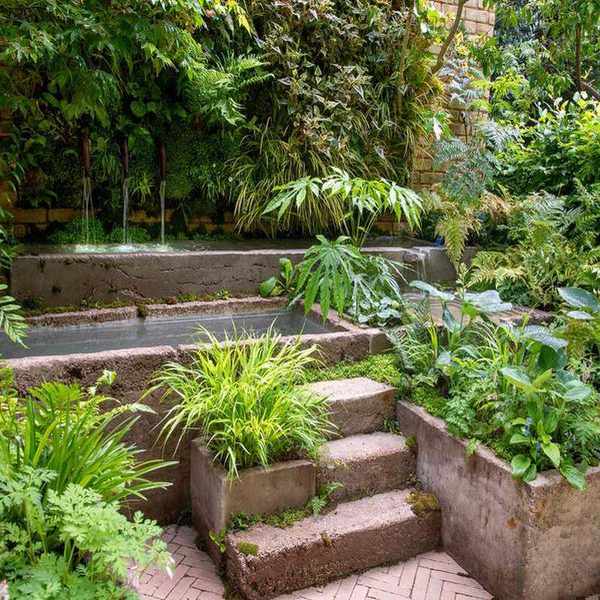
This urban courtyard garden showcases lush plantings and cascading water.
Water has long been a fundamental element in garden design, serving as a natural cooling feature. Beautiful ponds and water features provide cooling through evaporation while offering a refreshing touch on hot days.
Water elements don't have to be complex; simple features like fountains or water bowls, such as this green slate fountain from Wayfair can enhance the garden's cooling effect.
Clay suggests incorporating pond-less features like basalt columns or stone bird baths that spill into decorative stones, creating a visual centerpiece with a notable cooling impact. "Moving water cools more effectively than stagnant water, which can heat up under sunlight," he explains.
A well-designed water feature, like a series of antique spouts feeding small pools, can create a soothing atmosphere with the gentle sound of flowing water. This exemplifies how thermal garden design can lead to stunning focal points.
Thermal garden design works harmoniously with xeriscaping and desert modernism landscapes, both of which merge natural and built environments to address extreme heat challenges.